PLACEHOLDER TEXT, put a description here or you will lose grades
Design Challenge 1
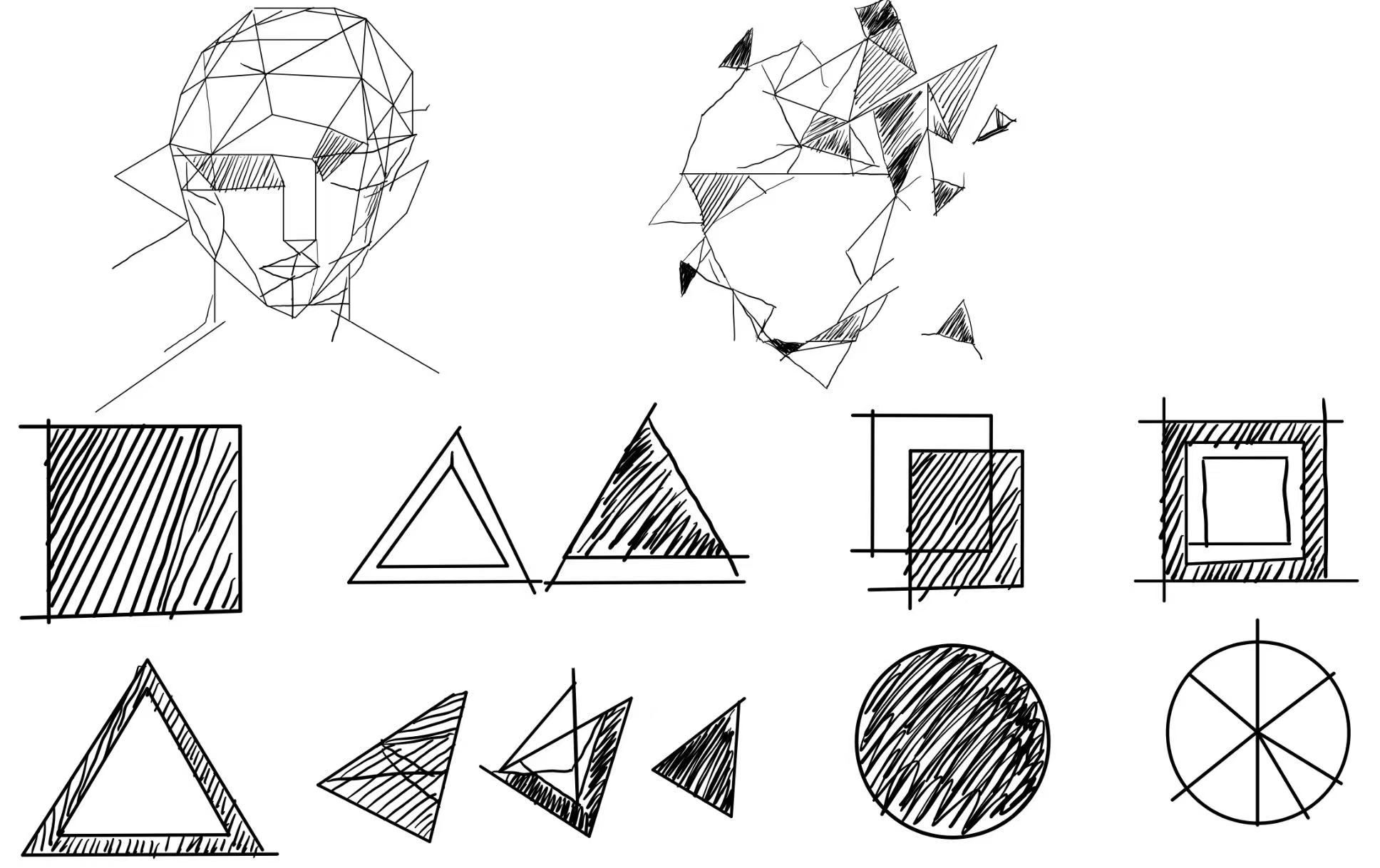
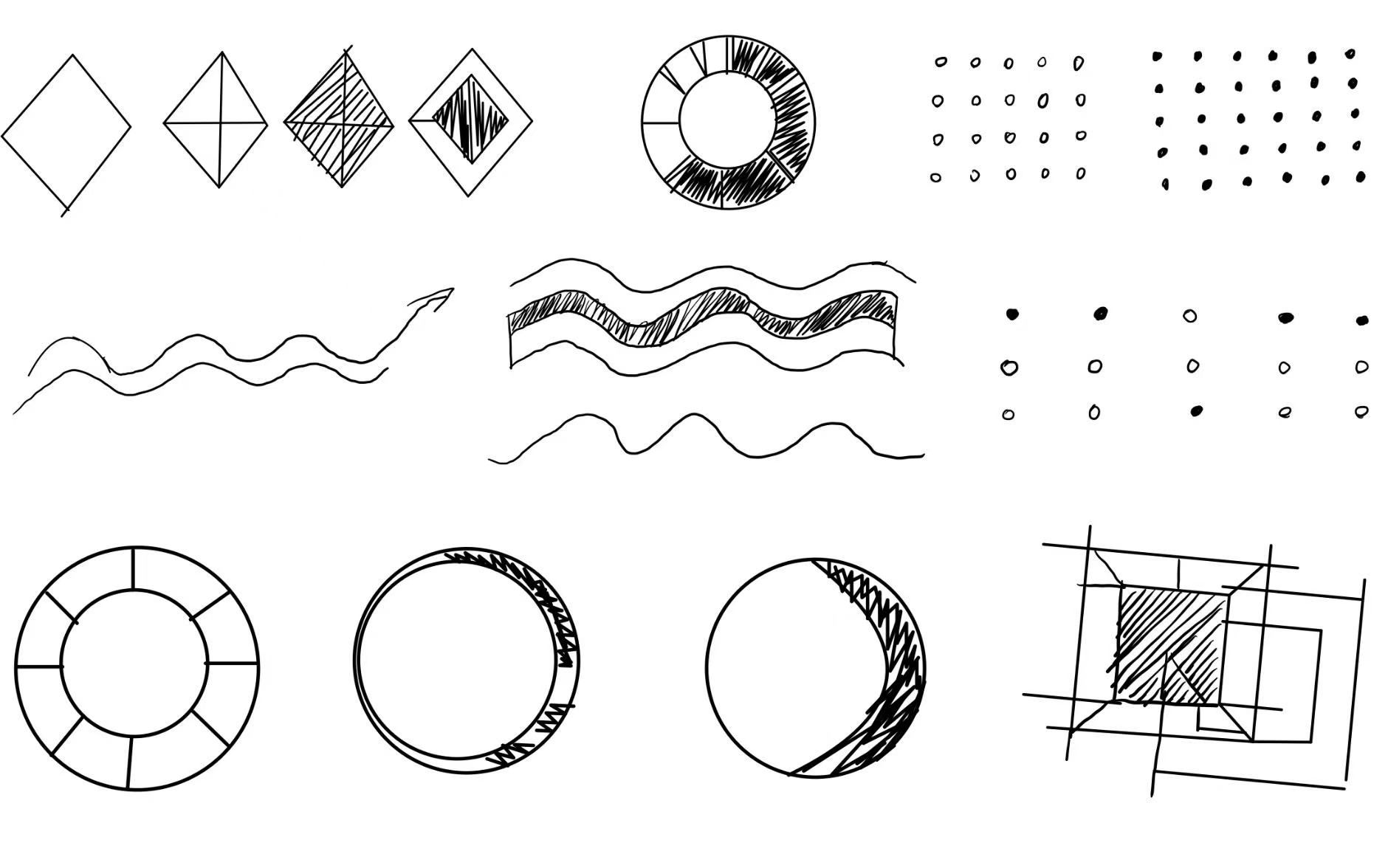
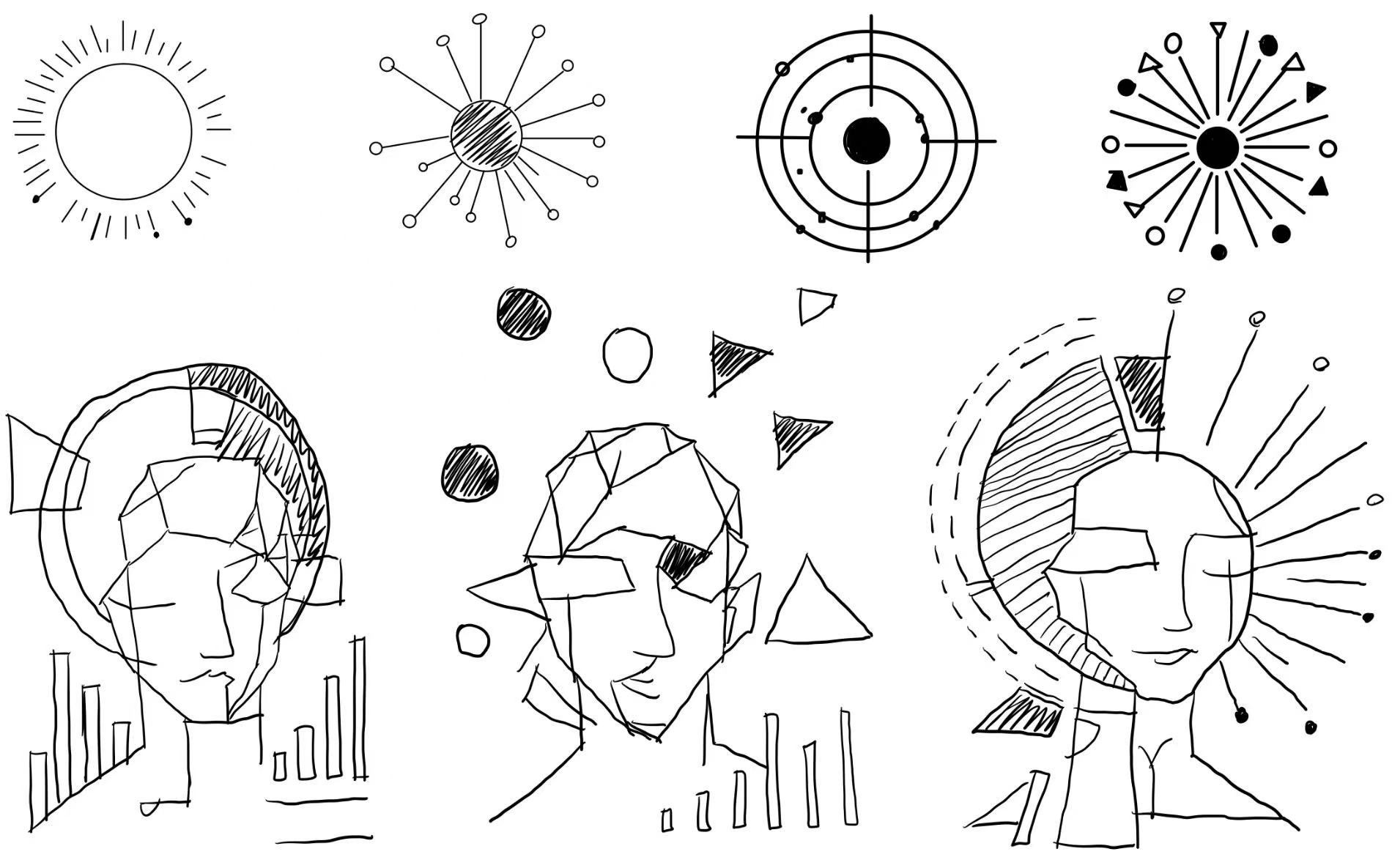
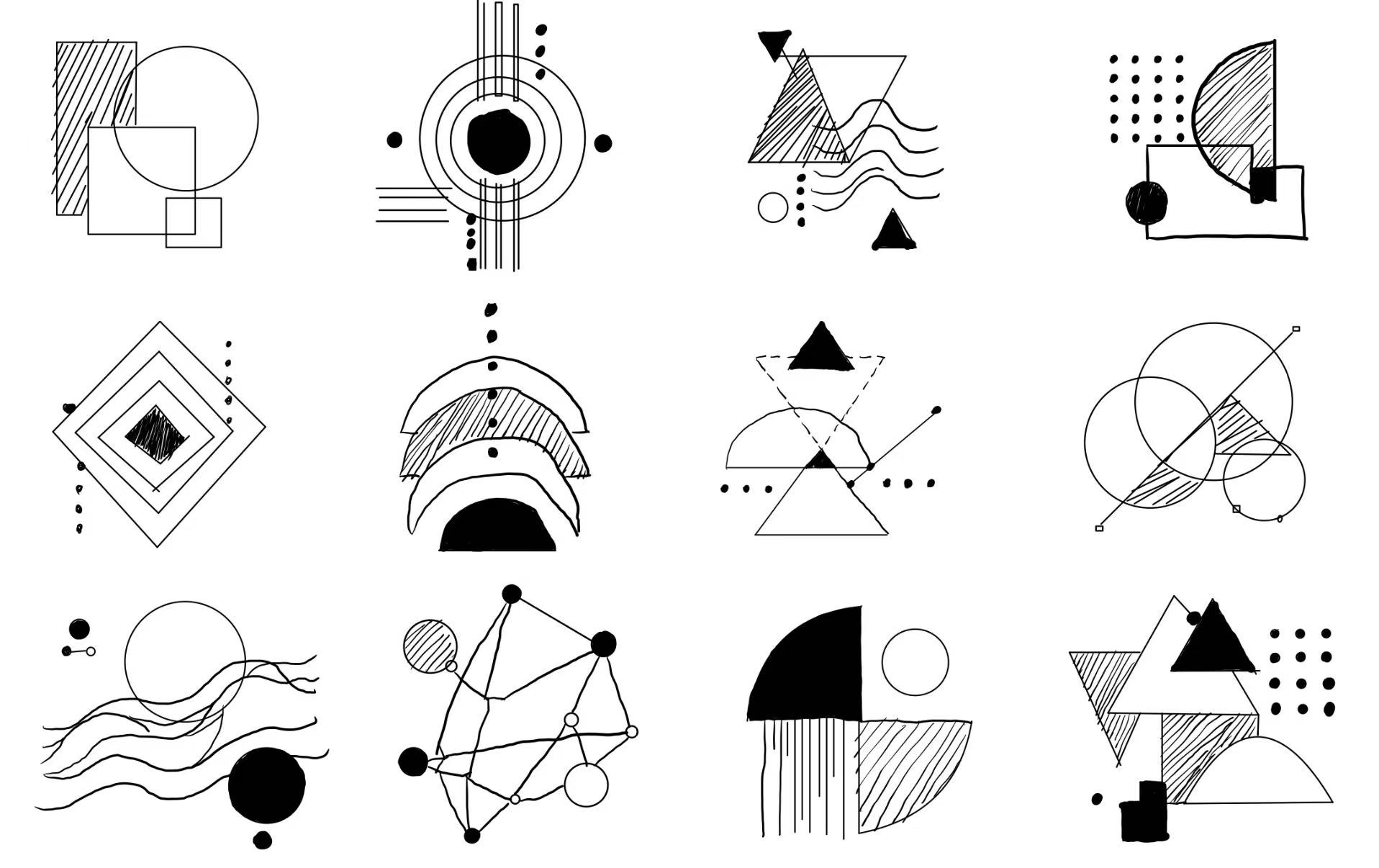
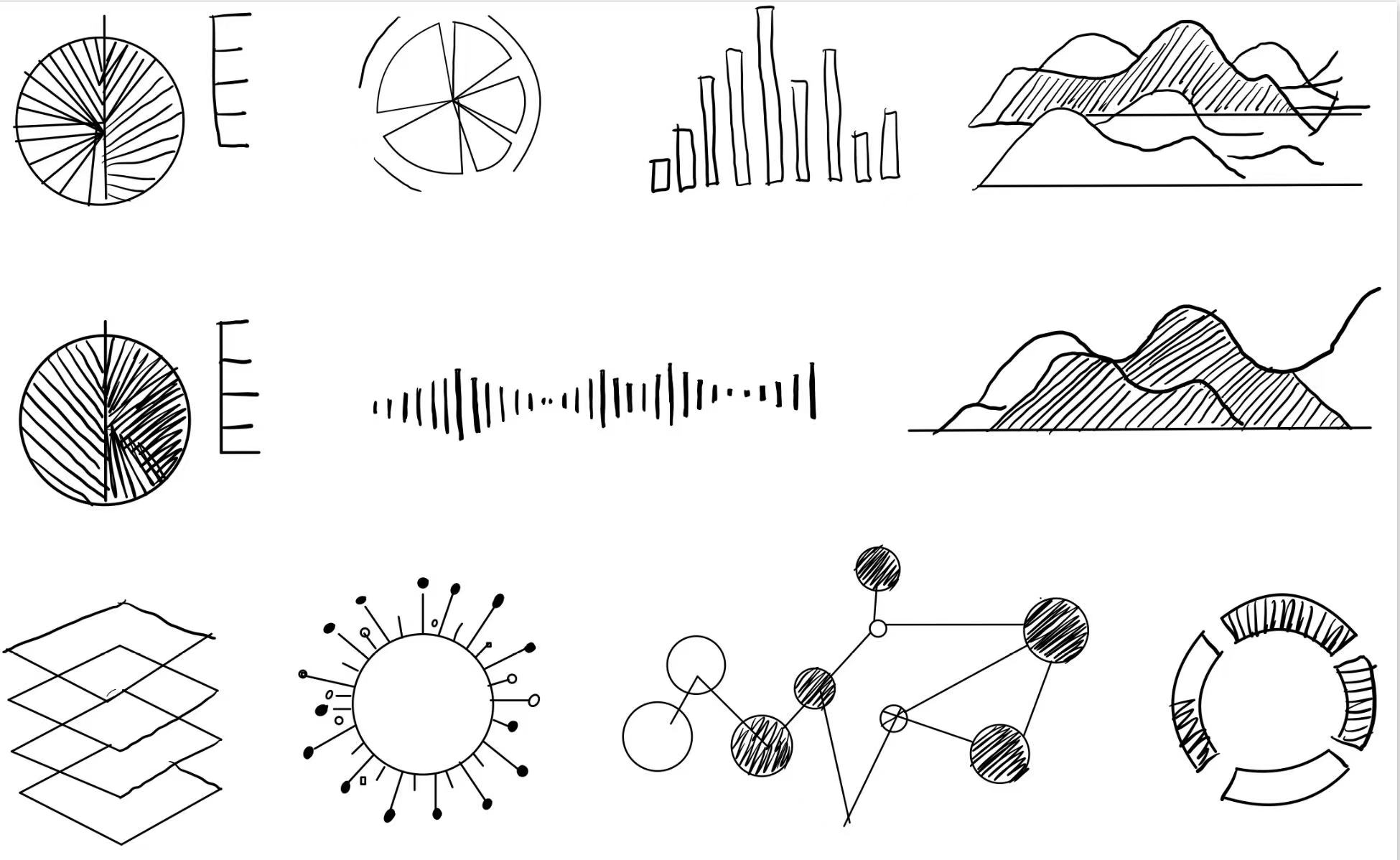
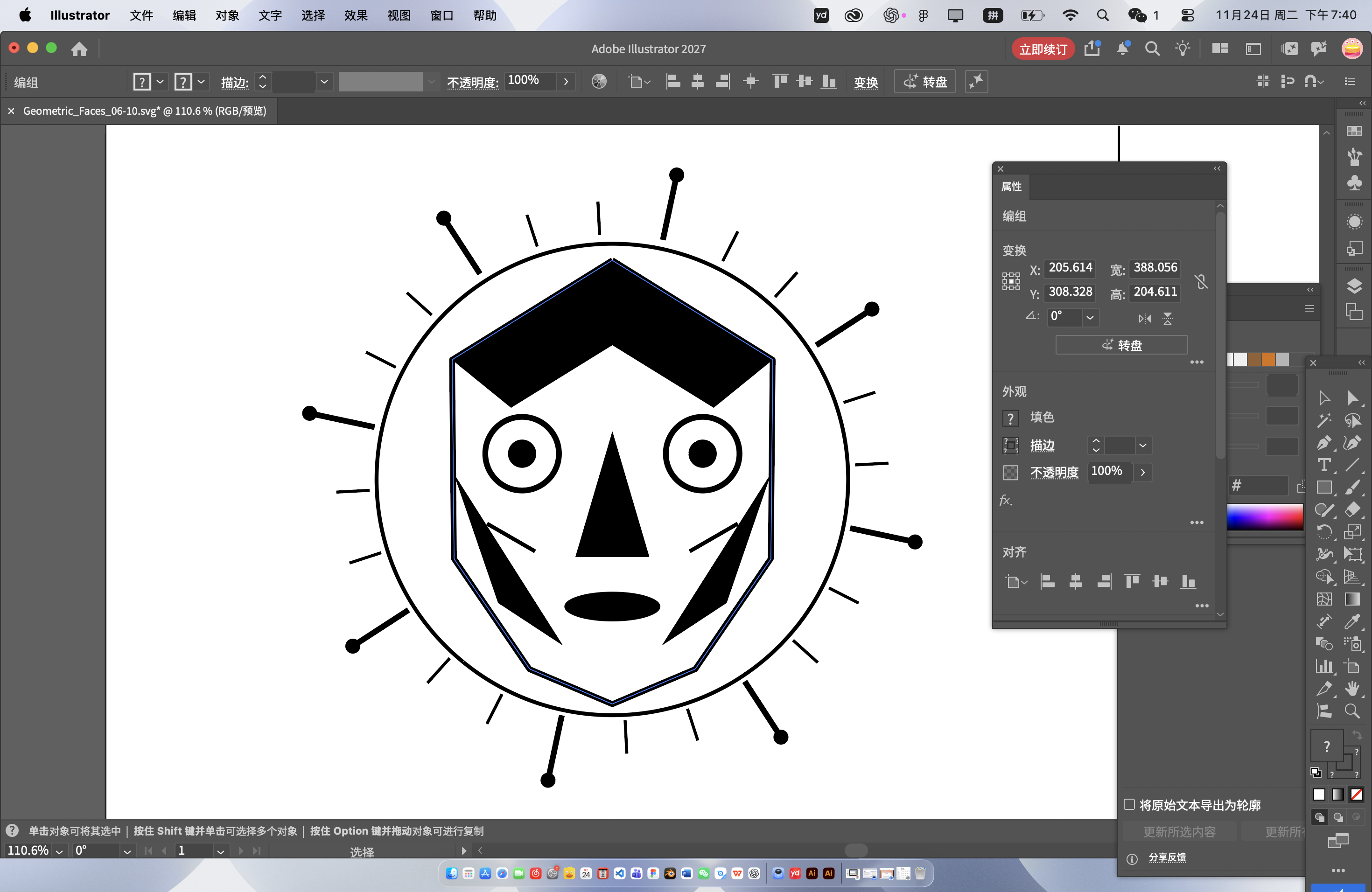
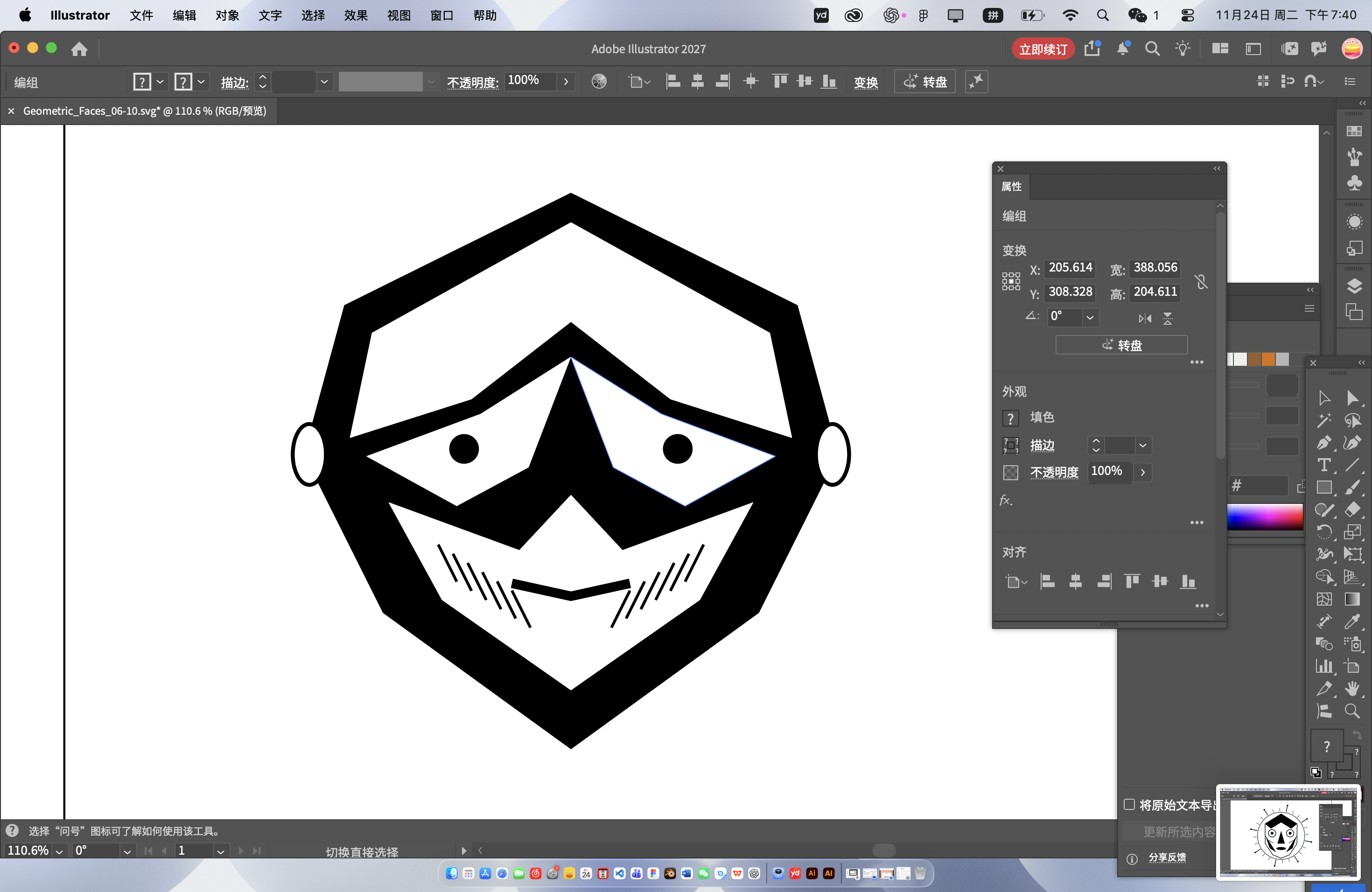
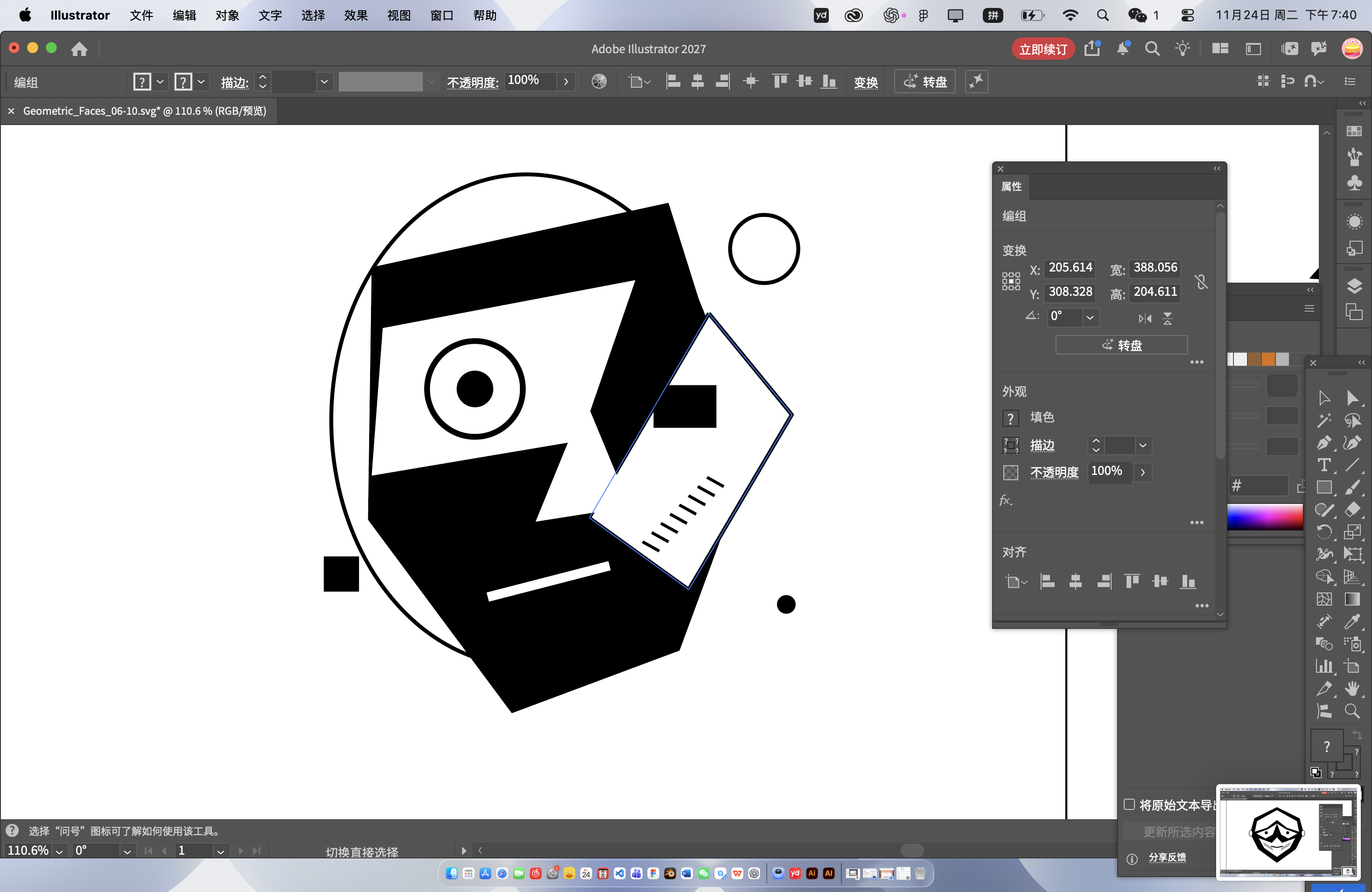
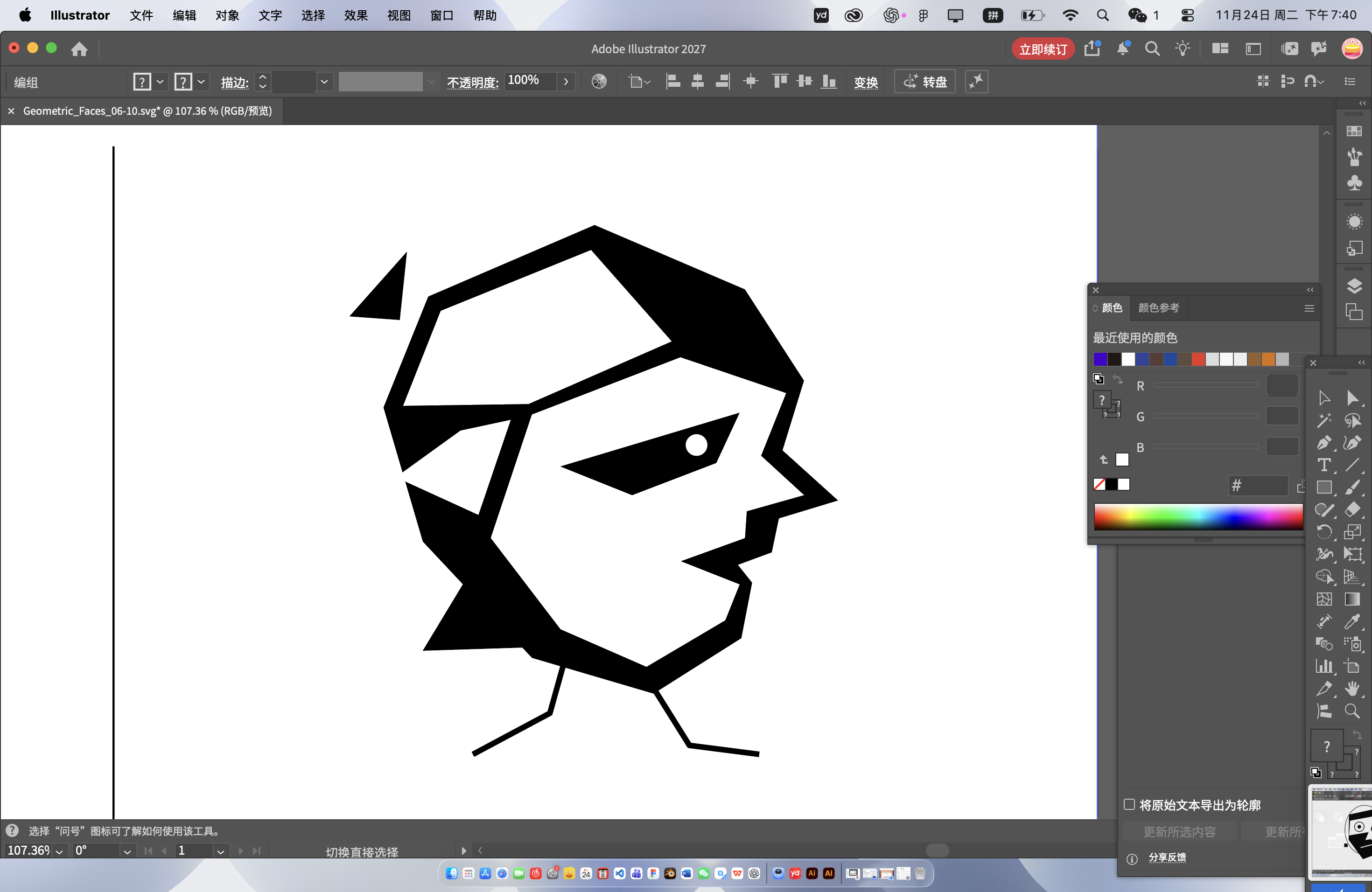
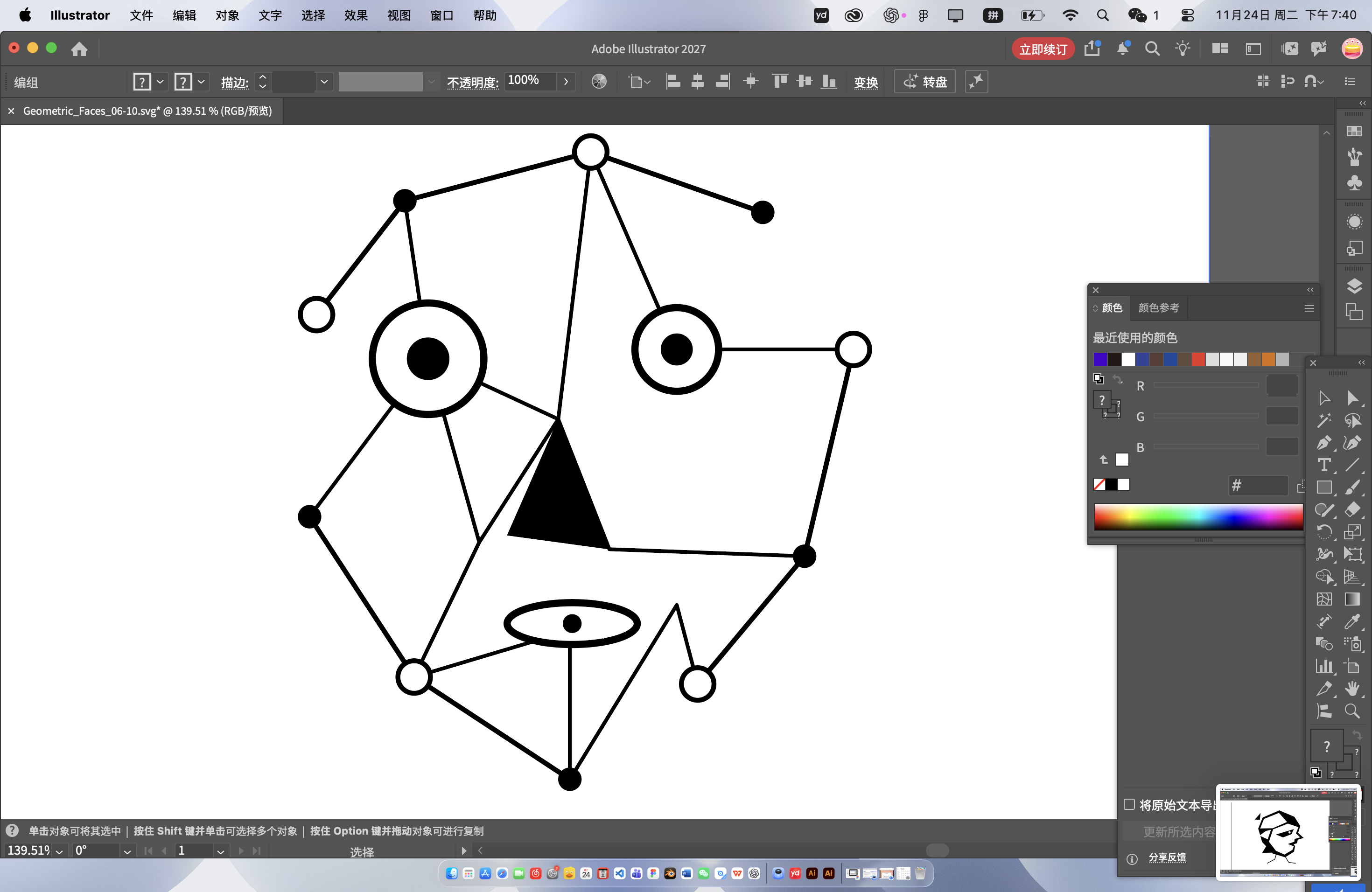
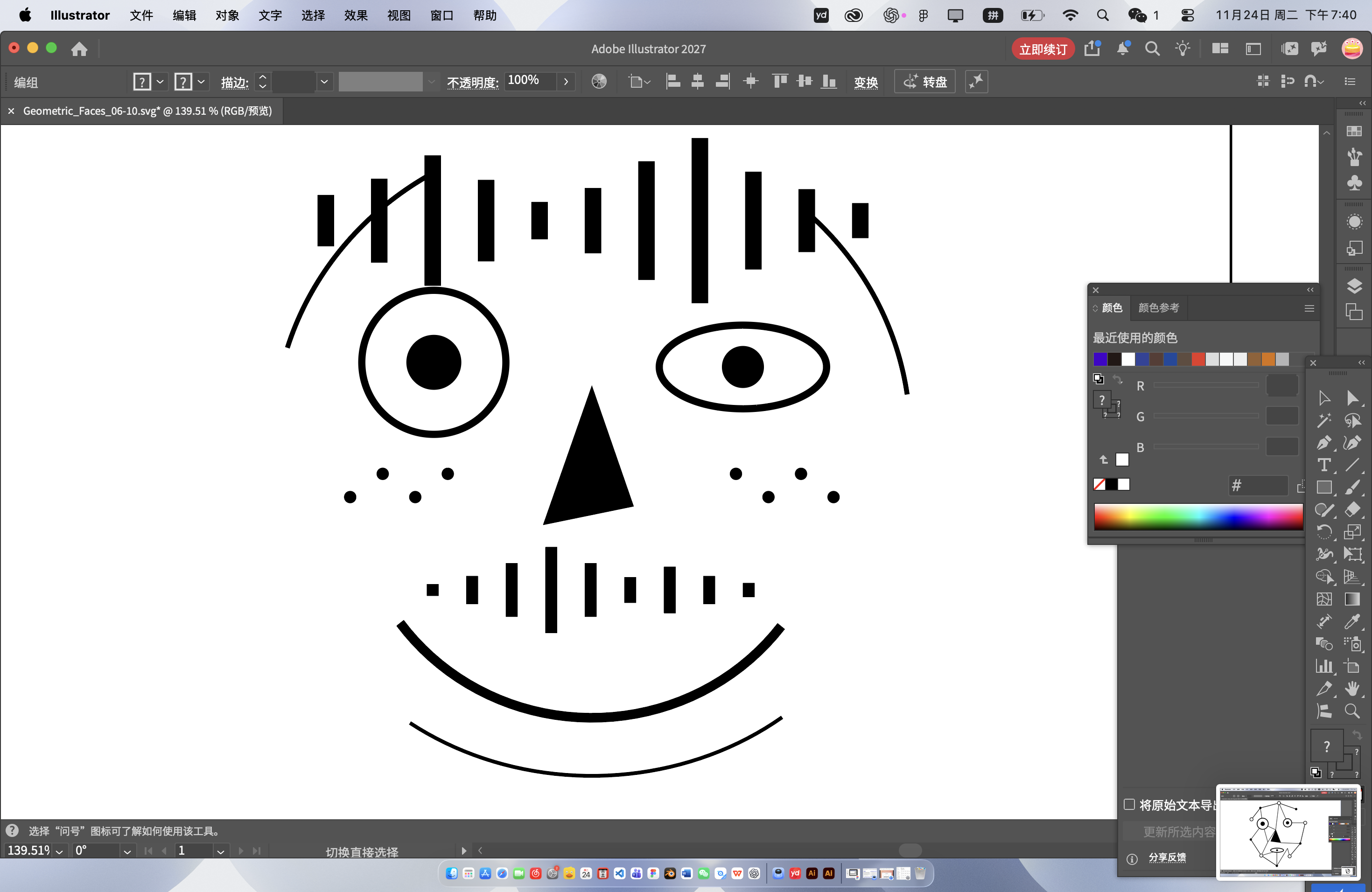
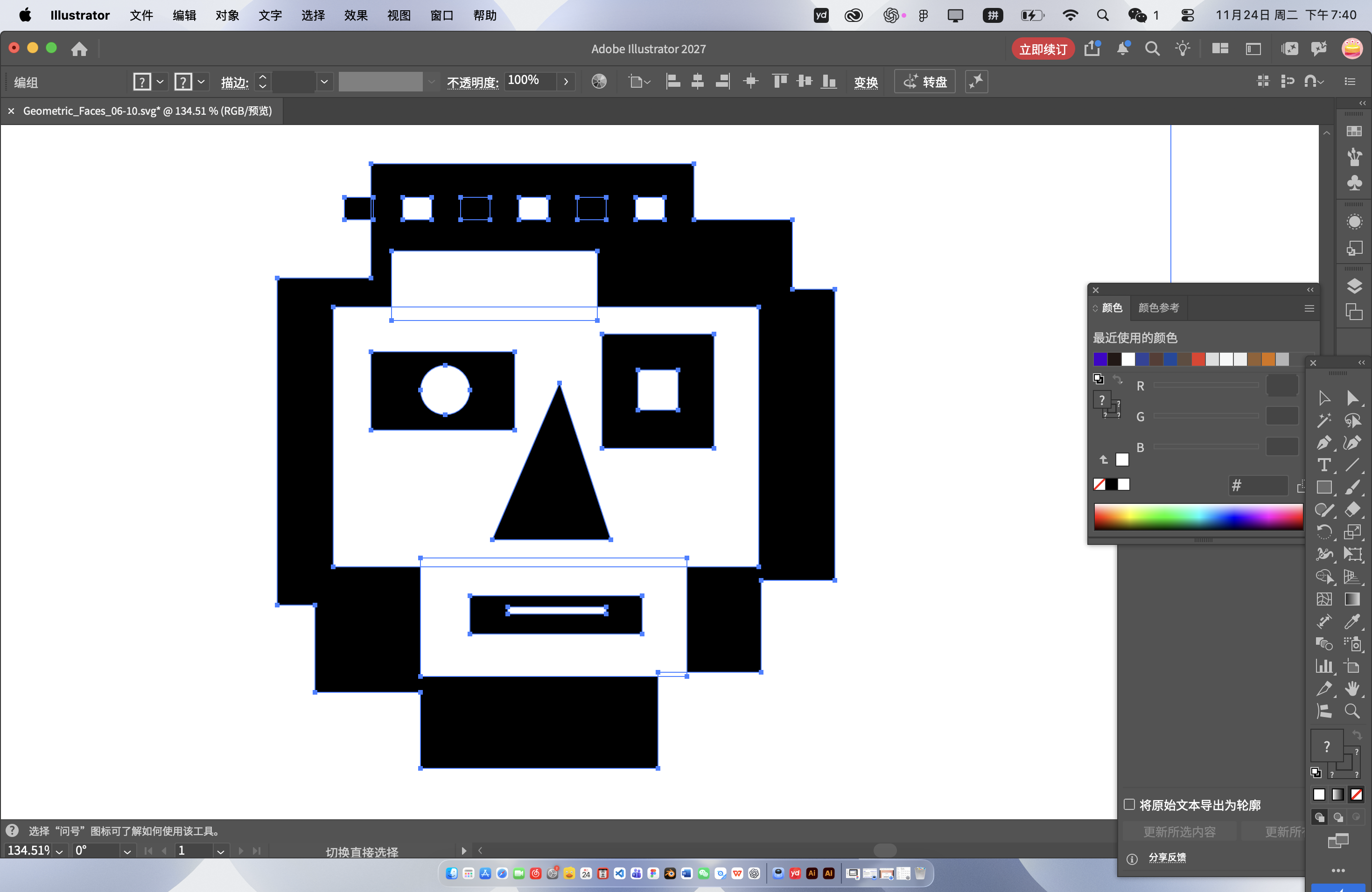
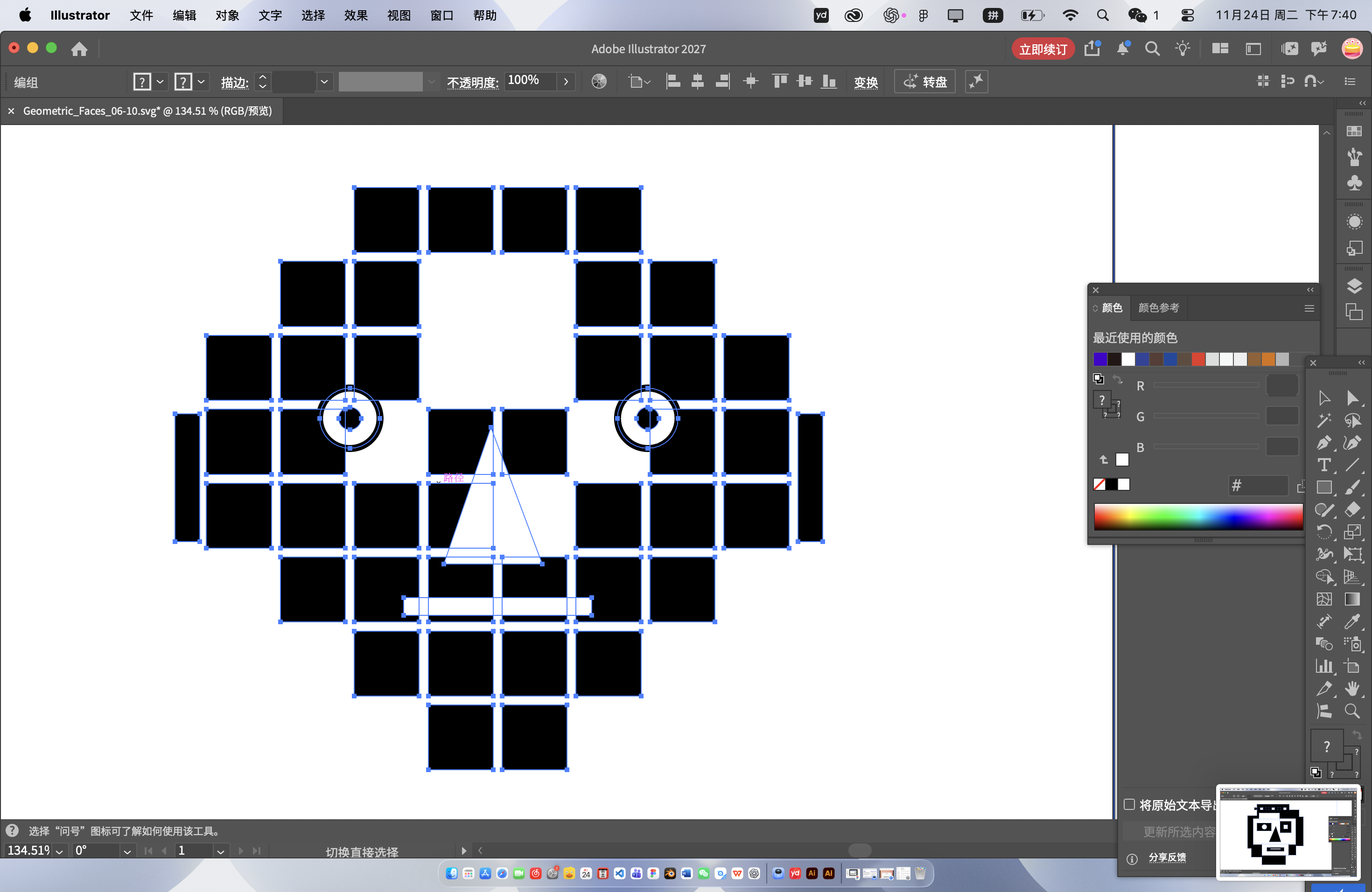
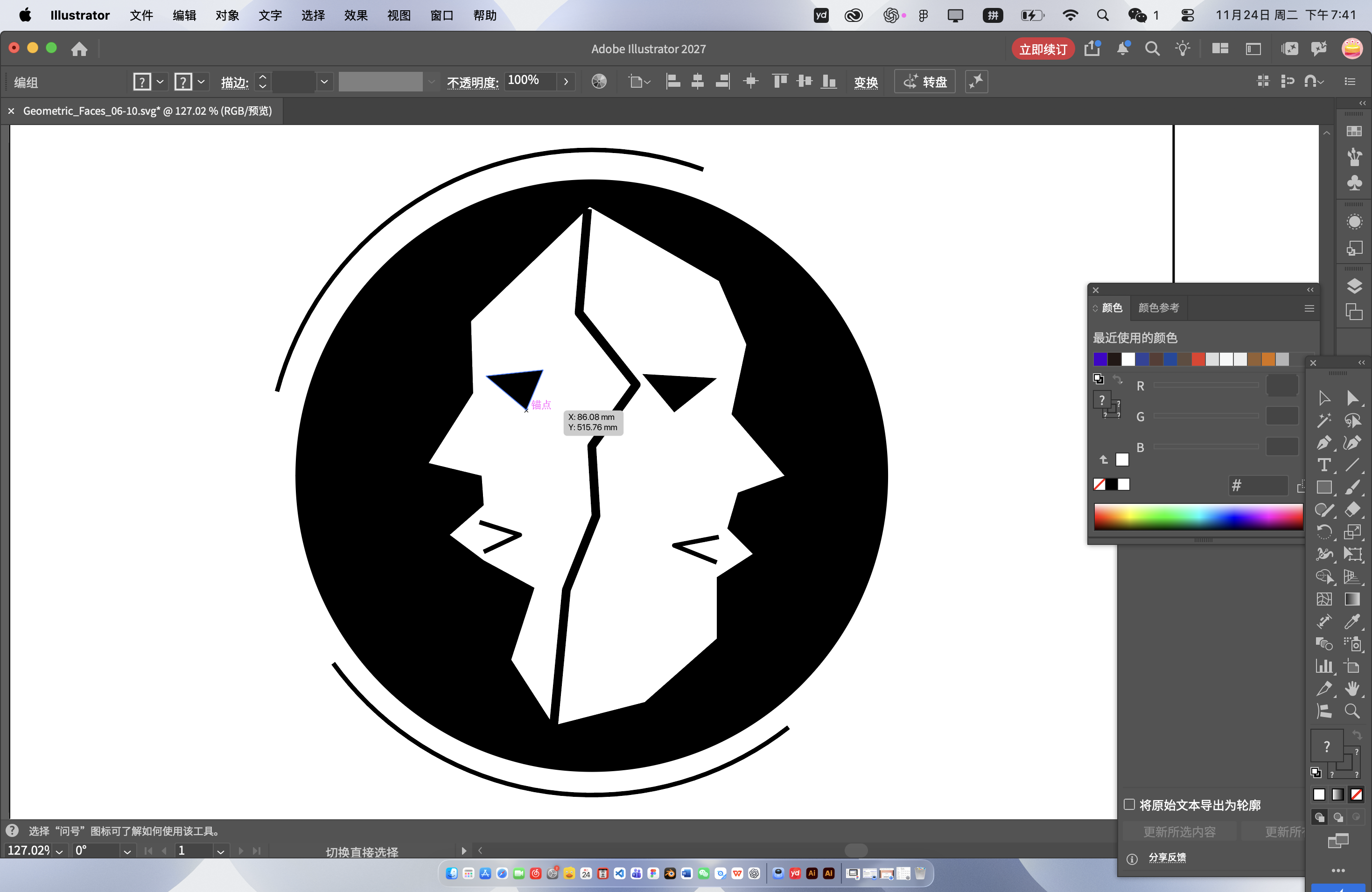
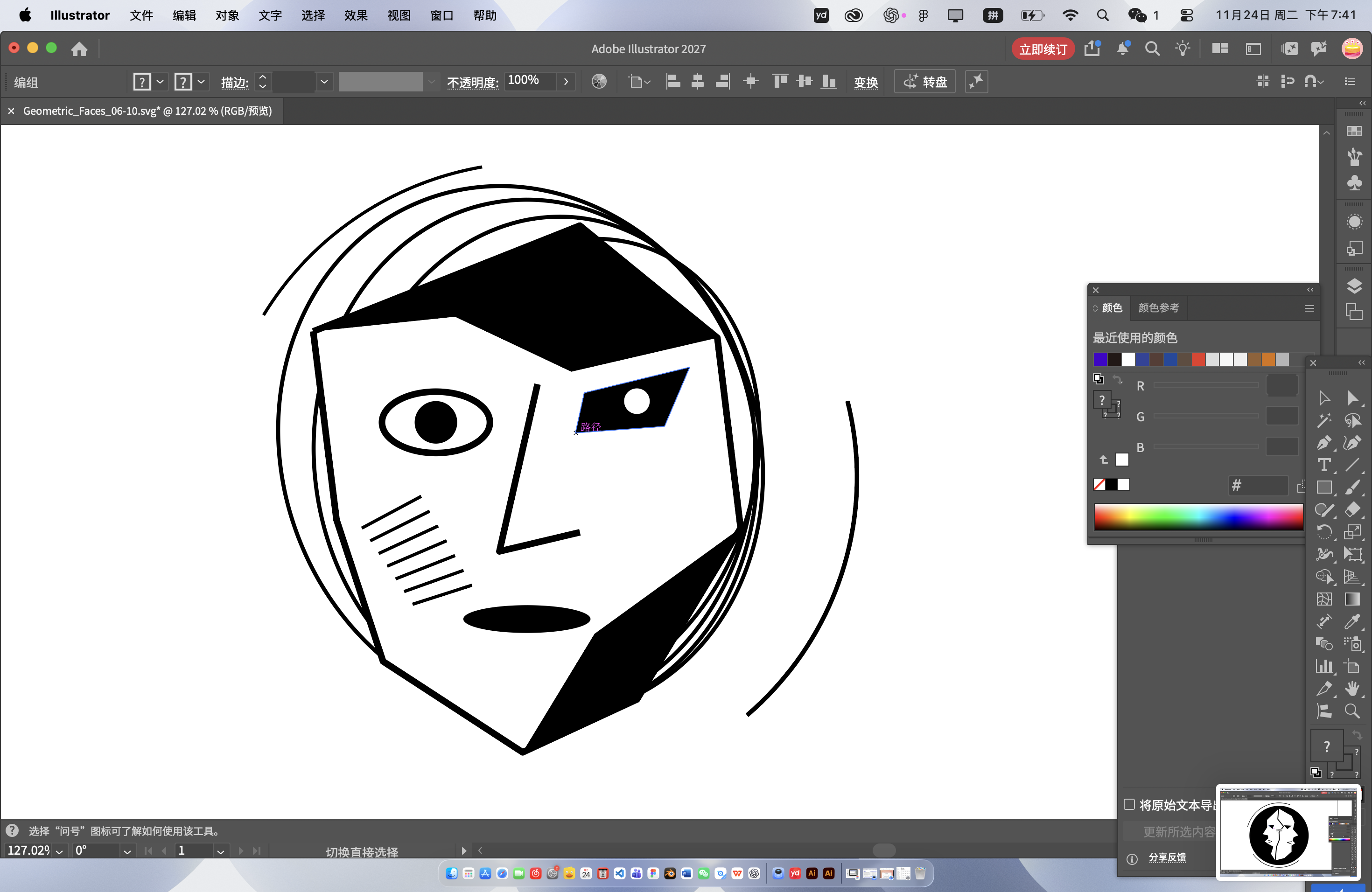
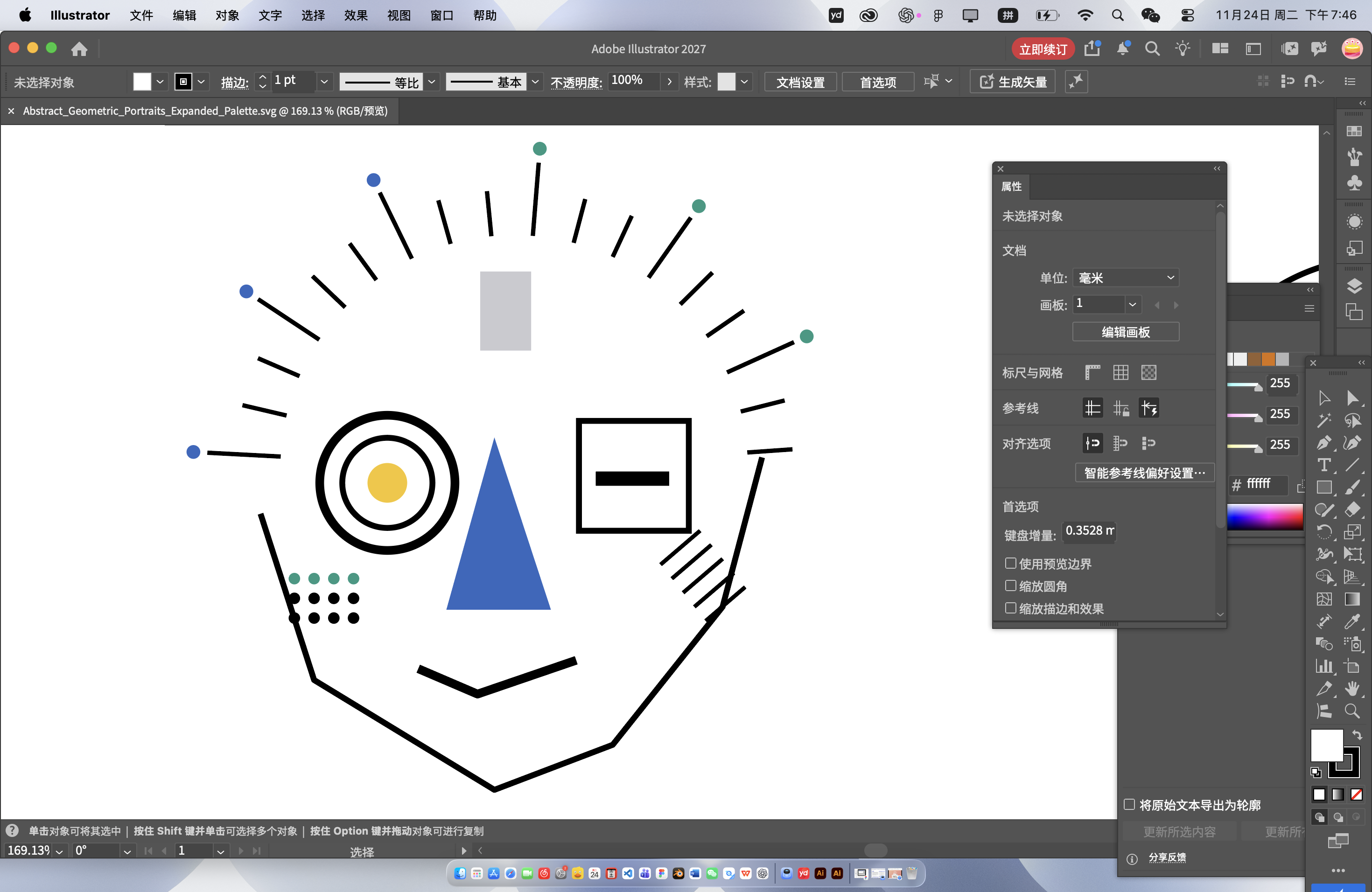
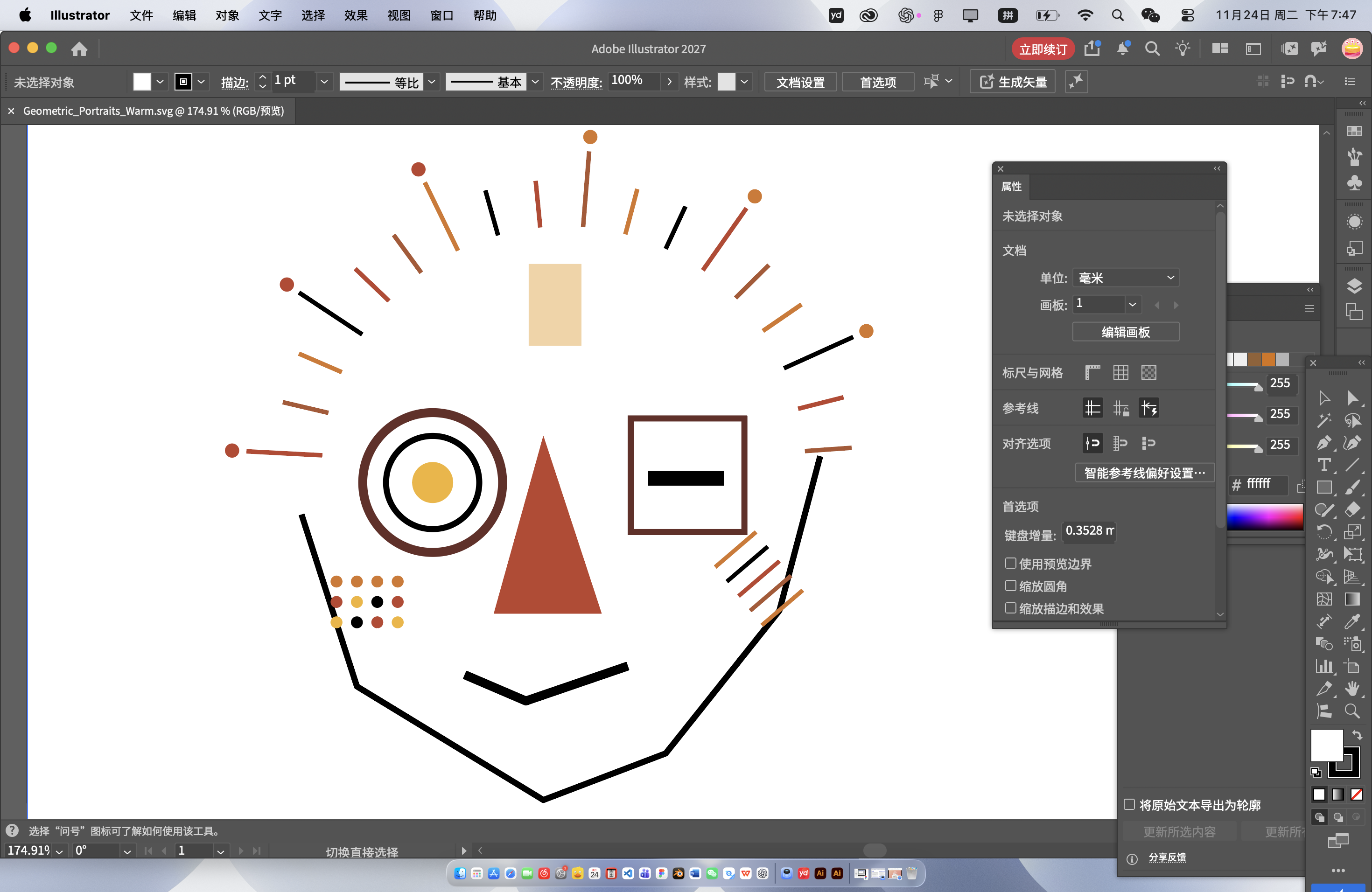
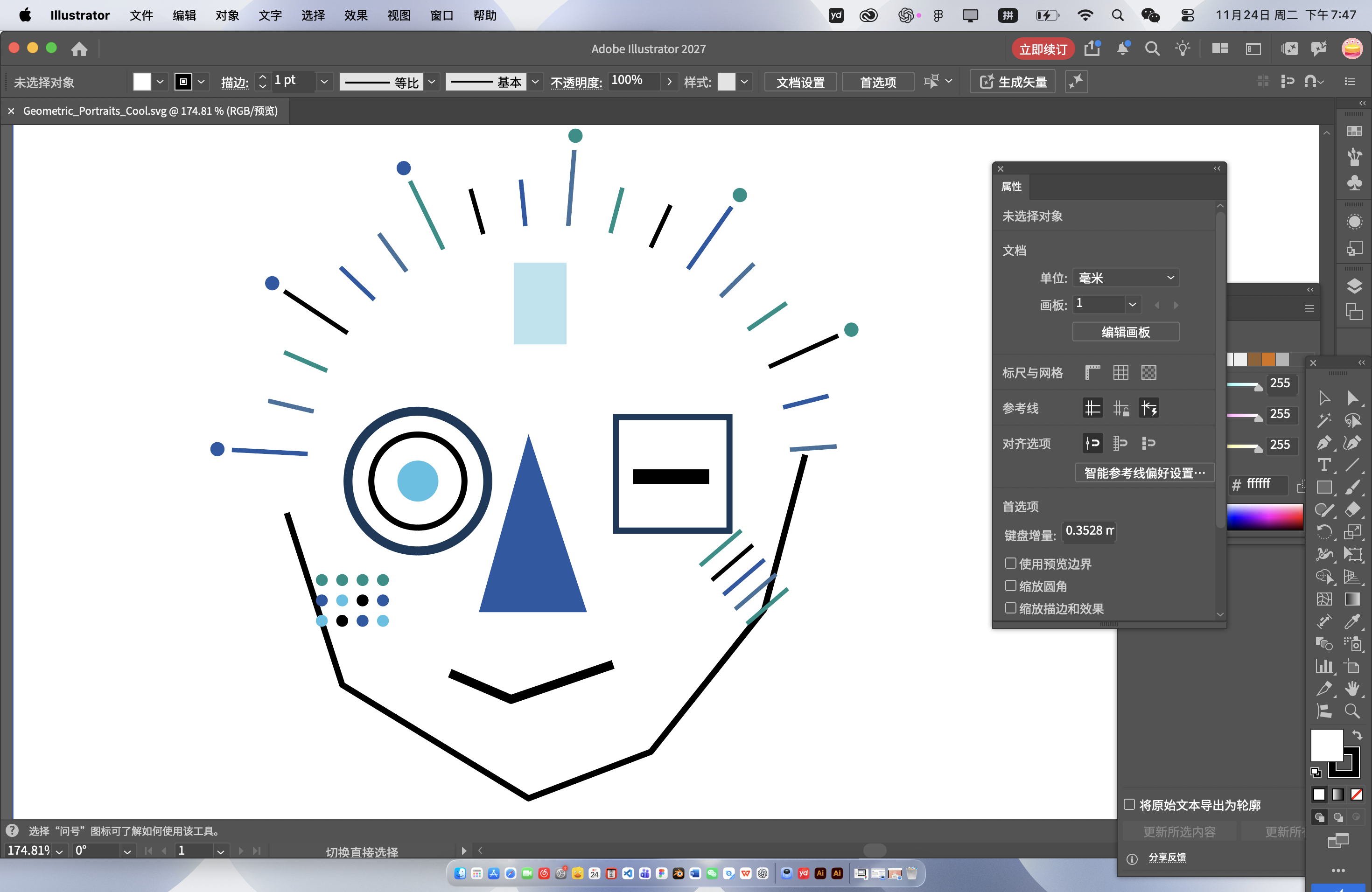
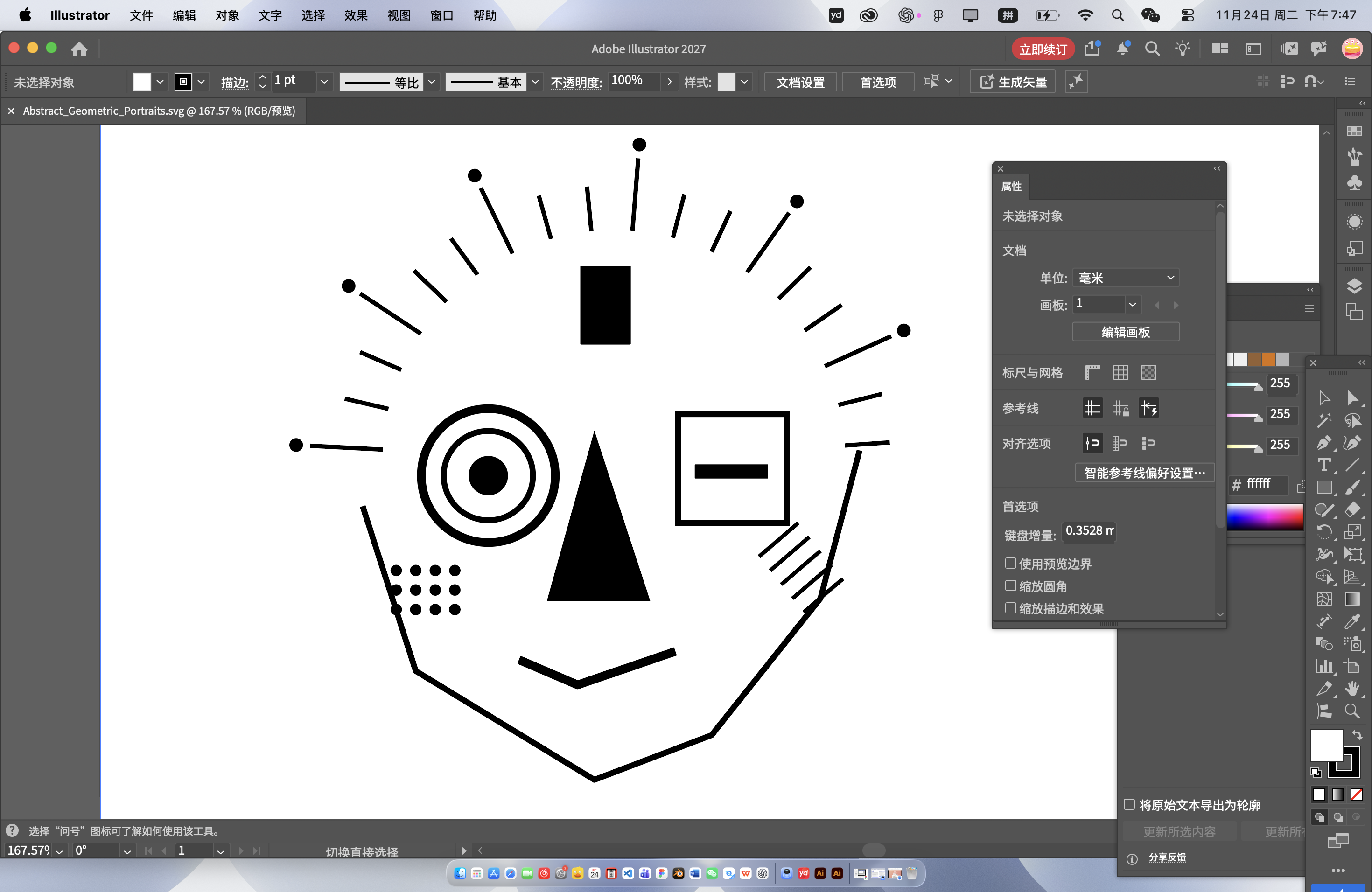
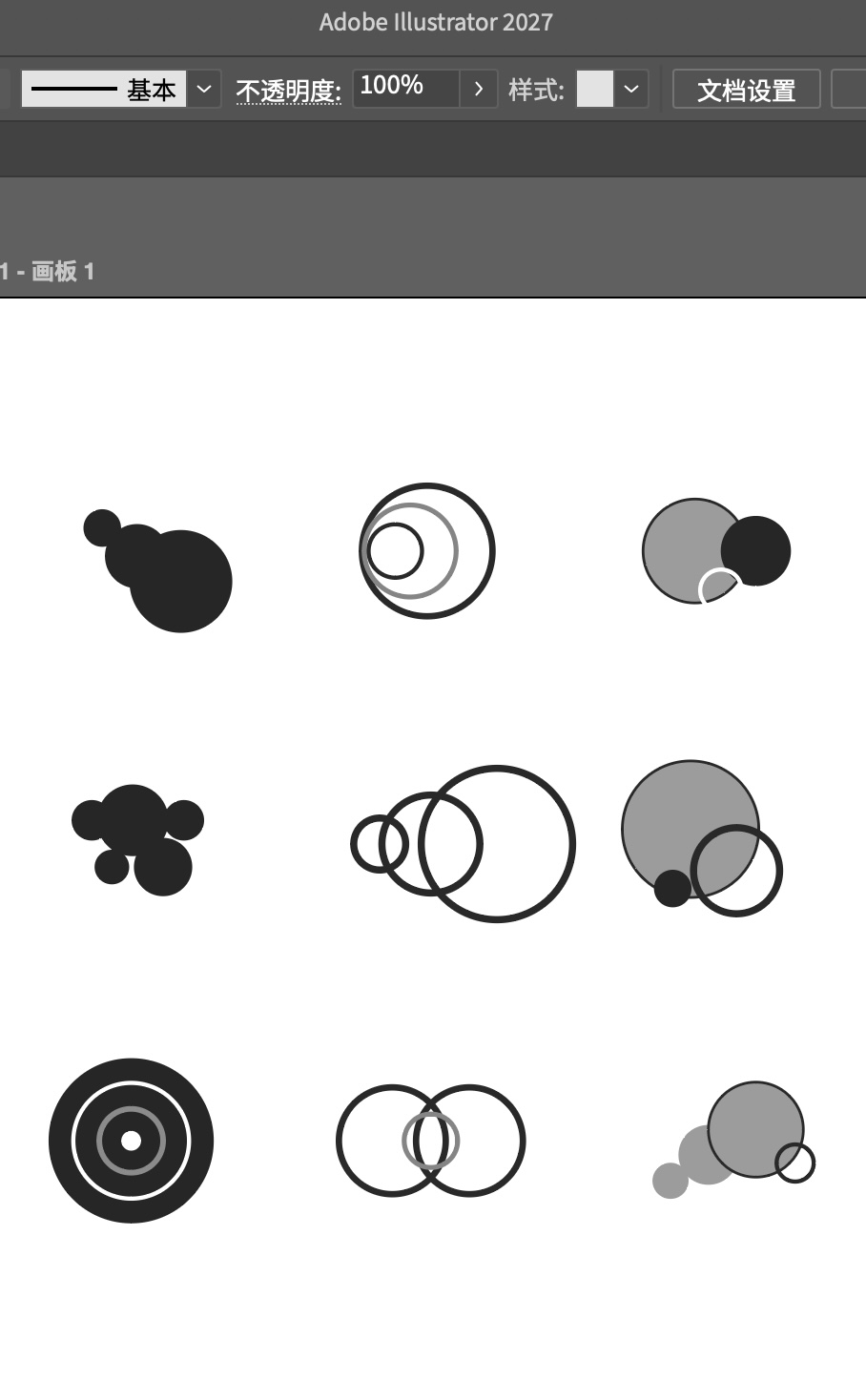
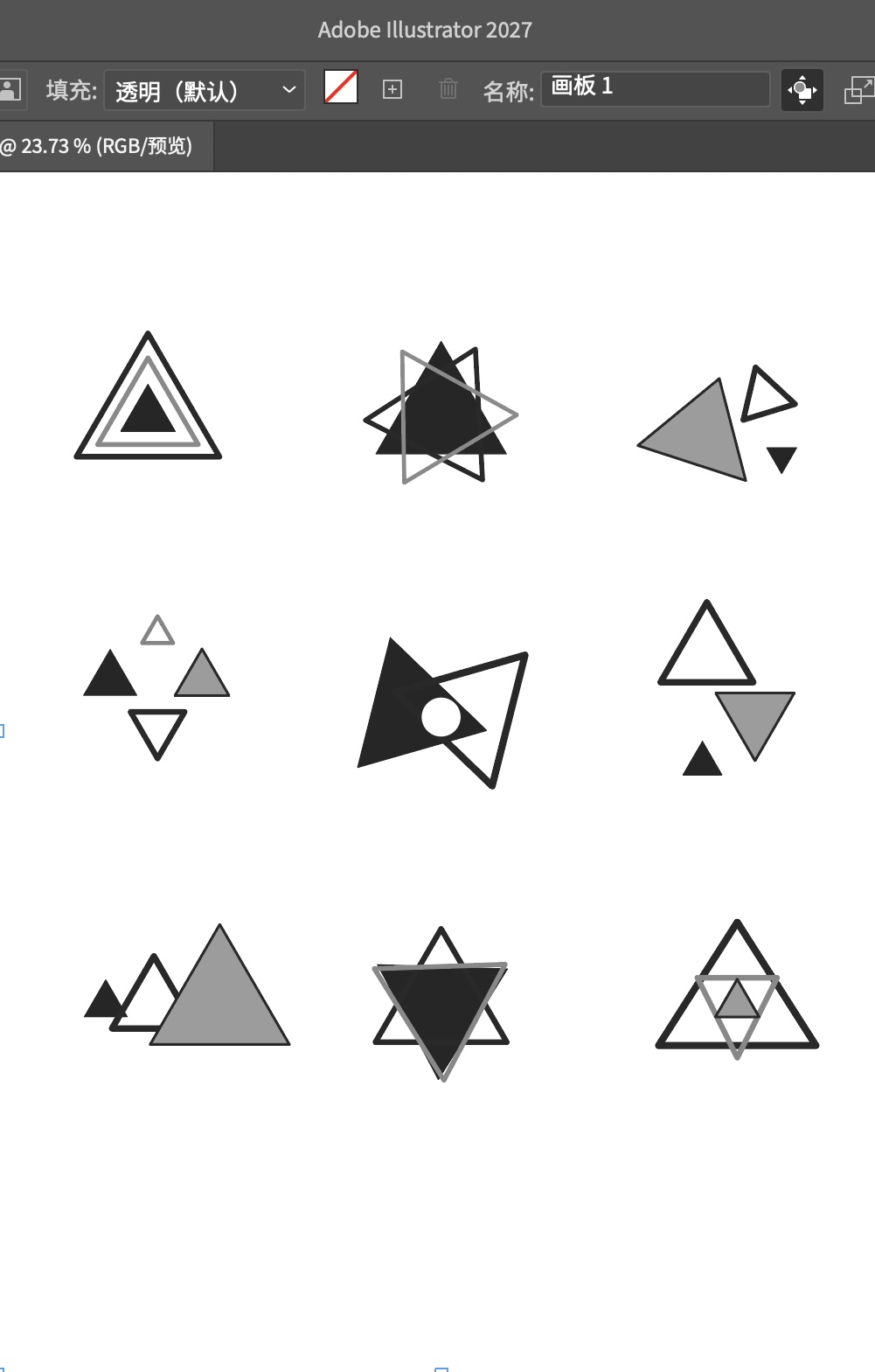
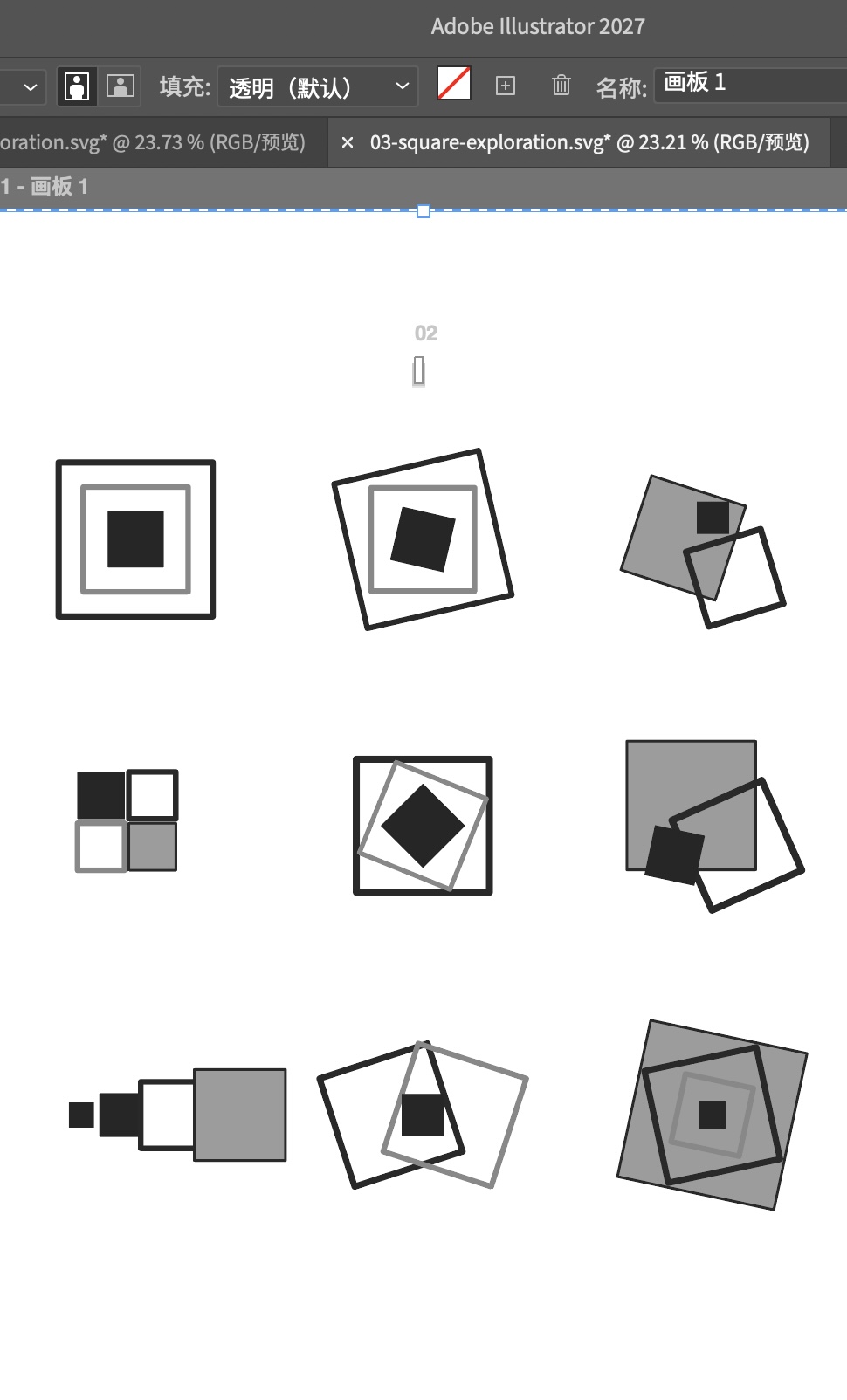
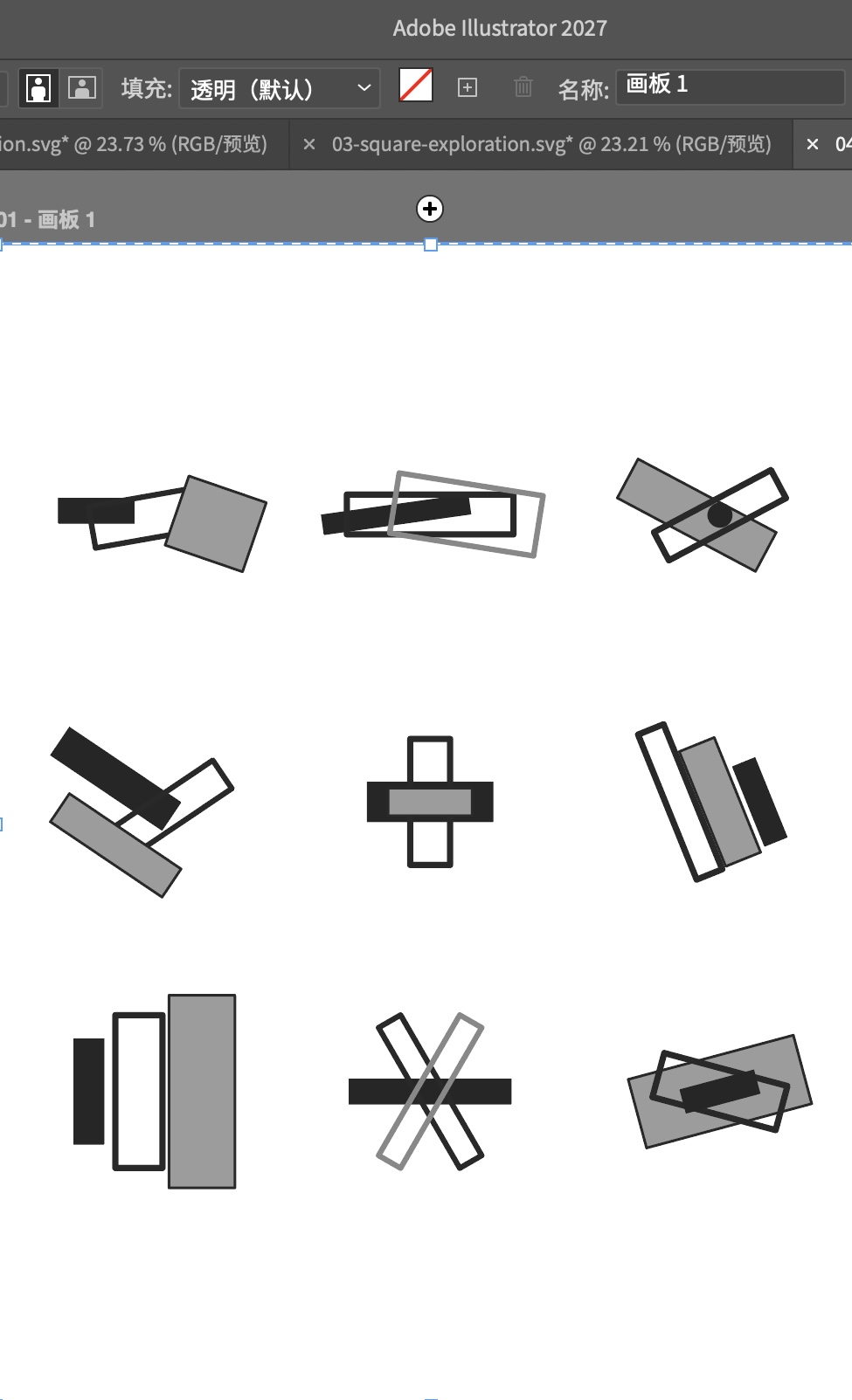
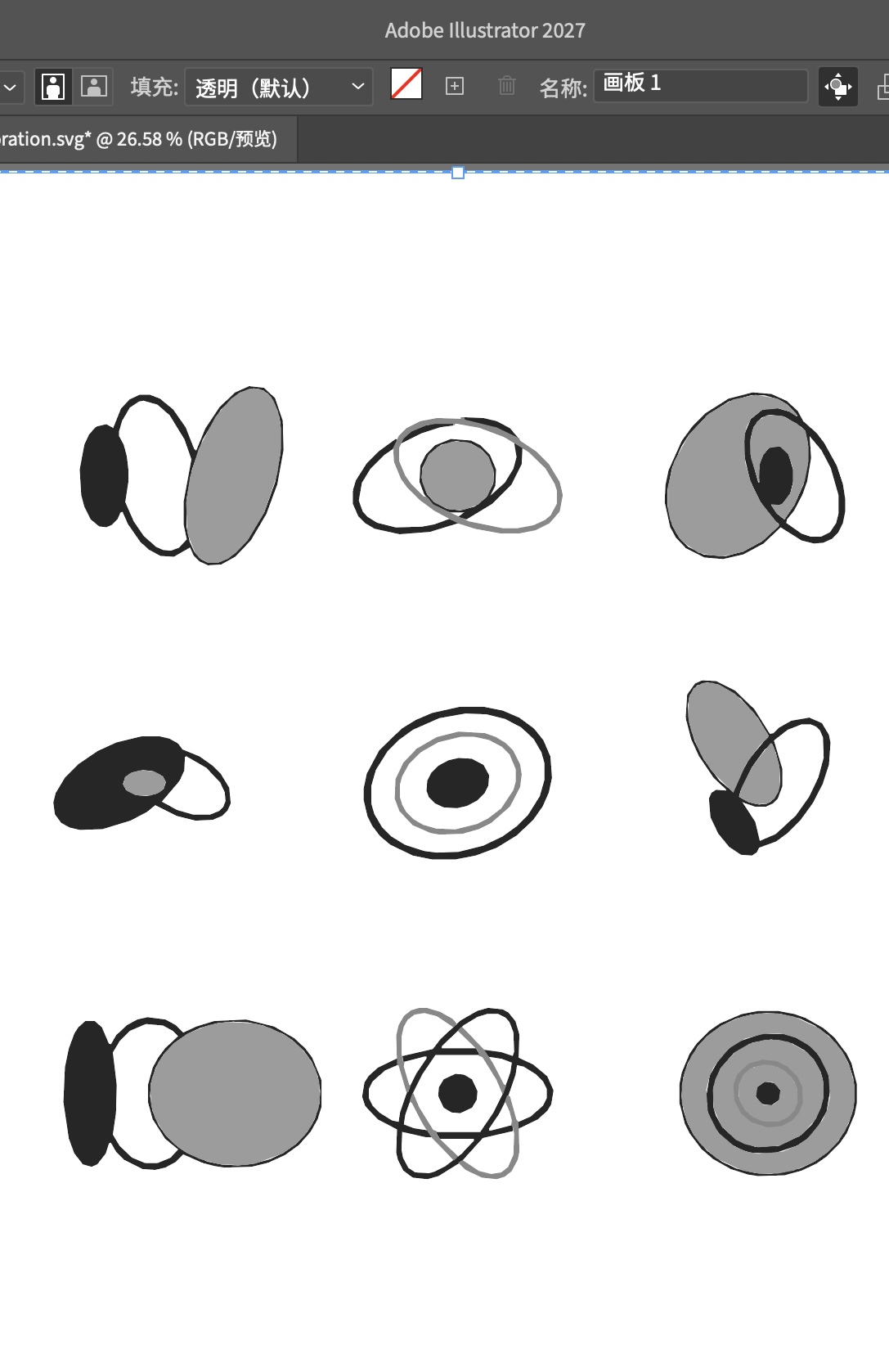
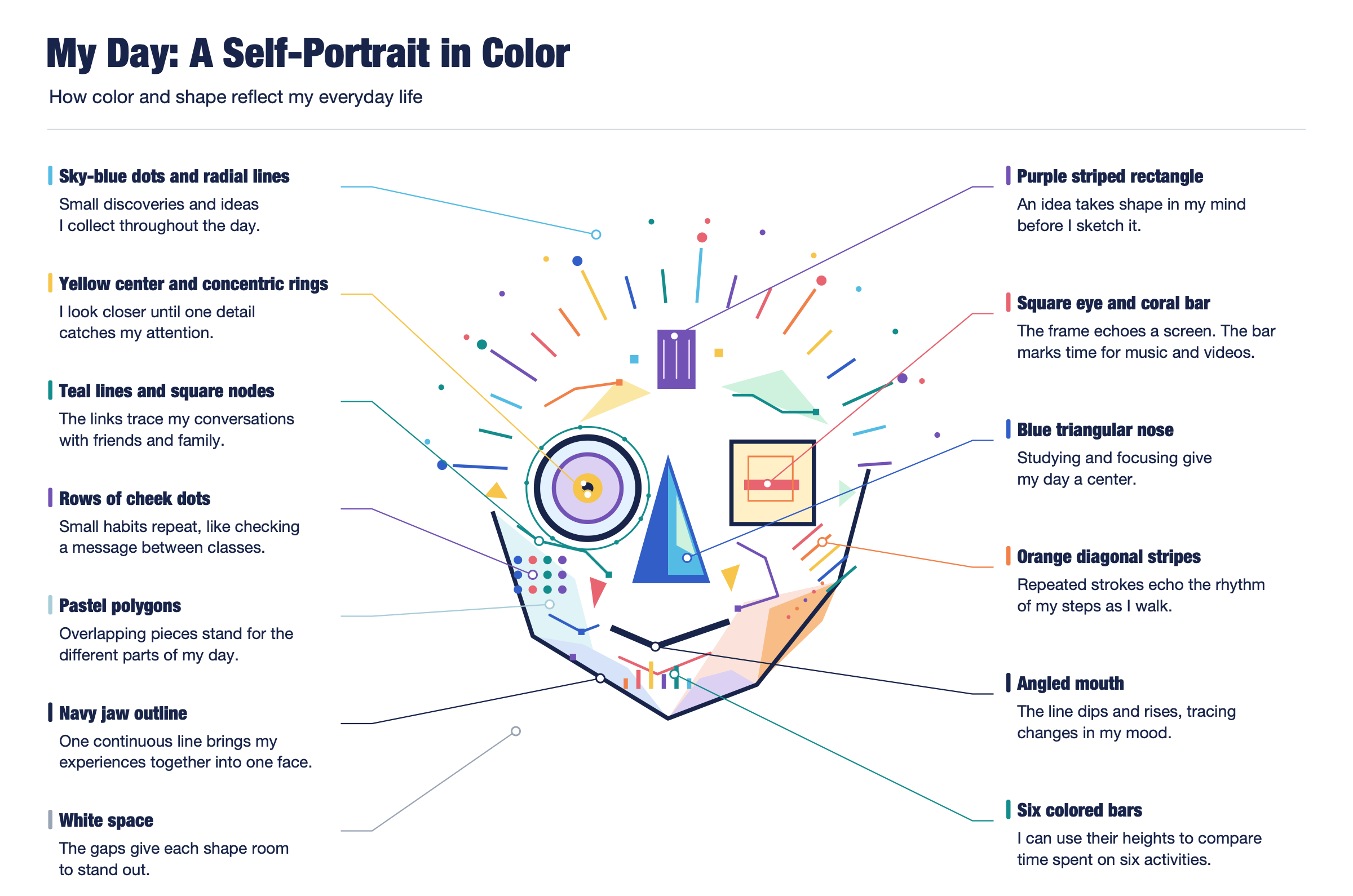
01 The small face sketches test how few marks a viewer needs to recognize a portrait.02 Circles and angular outlines repeat across the sheet. Changing their spacing gives each cluster a different rhythm.03 The radiating lines pull attention toward the center, an idea that returns in the final mask.04 Placing several face layouts side by side makes it easy to compare the balance of the eyes and mouth.05 Dot patterns and small diagrams offer ways to show repetition within a face.06 Short rays extend beyond the face outline, giving the portrait a second silhouette.07 A dark angular border frames the eyes and makes the light center stand out.08 Large black shapes interrupt the face outline and shift its visual weight to one side.09 A few bold planes are enough to suggest a turned face.10 A loose polygon connects the features while leaving much of the face open.11 Vertical bars above the eyes and dots on the cheeks turn repeated marks into facial features.12 Square eyes and a stepped outline build the face from a single family of shapes.13 A grid of black and white squares breaks the portrait into smaller units.14 The dark circular field makes the pale profile readable through negative space.15 The side view brings the forehead, nose and chin together in one silhouette.16 Small areas of color draw attention to individual features within the radial outline.17 Warm orange accents make the rays around the head more prominent.18 Blue accents link the eyes and nose across the center of the composition.19 The monochrome mask shows how much of the face can be read from line and shape alone.20 Overlapping discs and open rings test how circles can suggest both mass and depth.21 Nested and rotated triangles change direction while keeping the same three-sided form.22 Tilting one square against another creates tension between their edges.23 Long rectangles cross and overlap to form nine arrangements of bars and frames.24 Changing the tilt of the ellipses makes some pairs look like eyes and others like orbits.25 The final color key connects the blue nose with focused study and the purple forehead with creative thought.
Design Challenge 2
Reflexive Workshop 1 & 2
Project 3
Final Project 3 Design
PLACEHOLDER TEXT, put a description here or you will lose grades